Politics & Government
Lillie Proposes Plan To End Government Shutdowns
Joined by other GOP lawmakers on Thursday, the senator who represents Woodbury said the measure would revert state spending to previous levels in the event of a budget impasse.


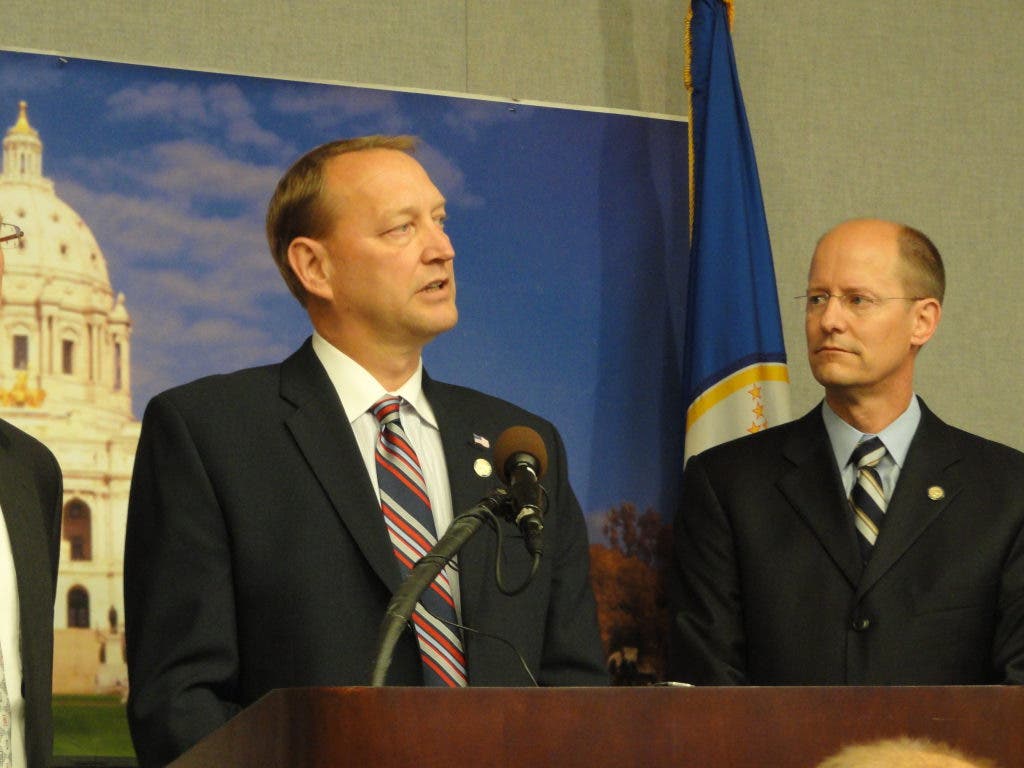
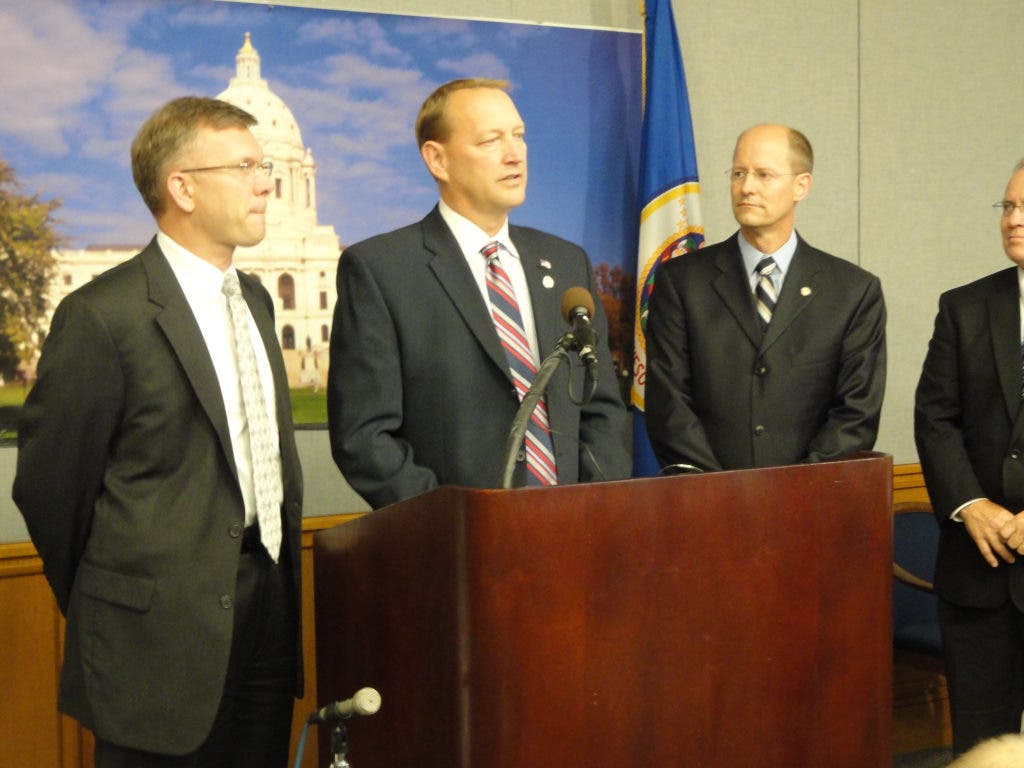
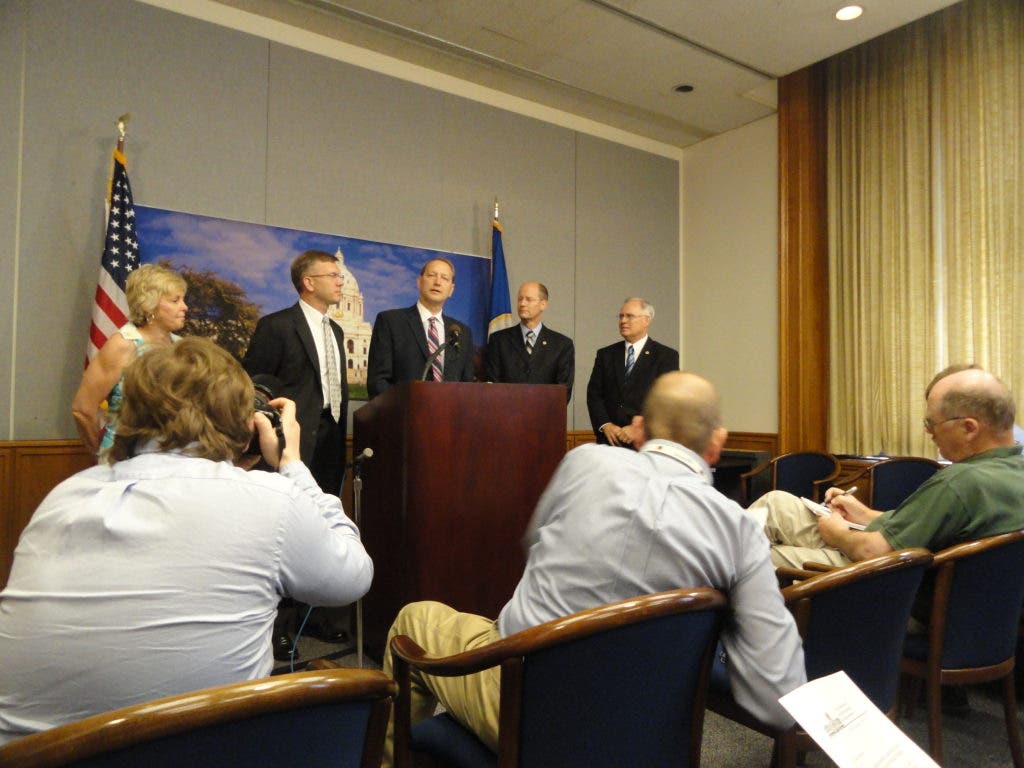
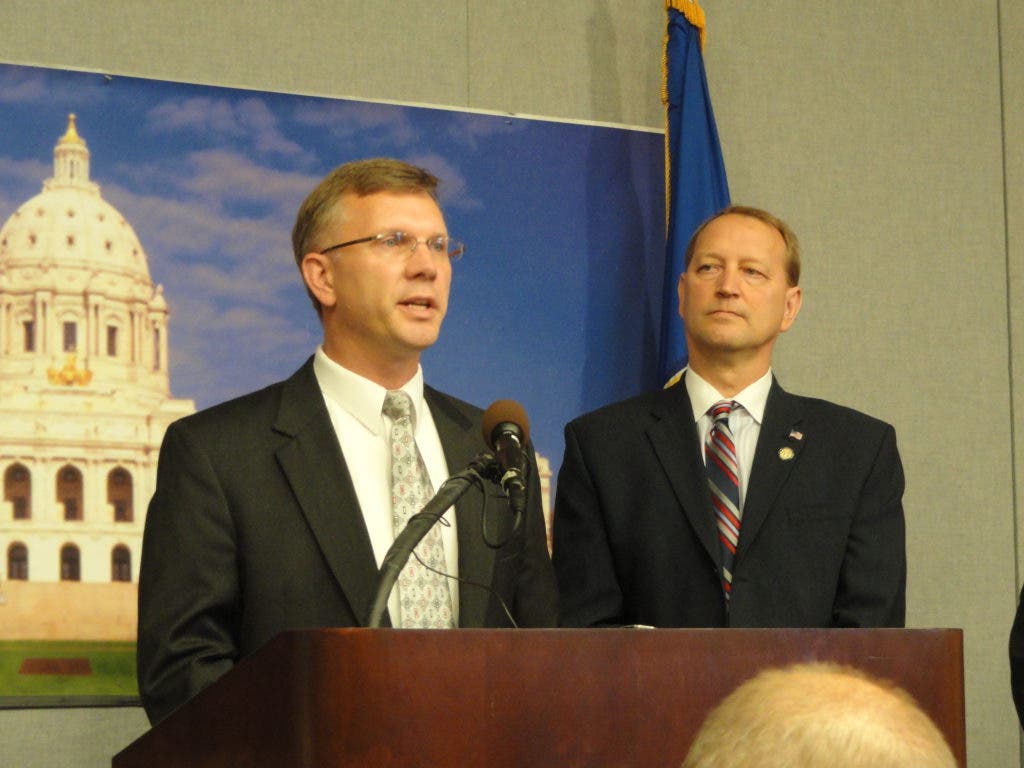
A group of Republican lawmakers today announced a plan that would effectively end state government shutdowns.
Under the proposal, if a budget agreement isn’t reached by the end of the legislative session, funding for state services would continue at previous levels.
Twelve other states have similar laws on the books, said Sen. Ted Lillie, who was joined by Sen. Paul Gazelka, Sen. Ted Daley and Rep. Kathy Lohmer during a 15-minute press conference at the Capitol on July 21.
Find out what's happening in Woodburywith free, real-time updates from Patch.
The plan—similar to a bill Lt. Gov. Yvonne Prettner Solon proposed as a state senator in 2006—has several permutations, including reverting state spending to 80-100 percent of previous levels or enacting the measure through a constitutional amendment.
The longest government shutdown in Minnesota history ended Wednesday when Gov. Mark Dayton .
Find out what's happening in Woodburywith free, real-time updates from Patch.
“It is time to do something like this,” Lillie said.
The message from lawmakers was clear.
“No more Minnesota shutdowns,” Daley said several times.
The concern is that the measure could create an environment in which there is no incentive to reach a budget deal, especially for legislators opposed to increased spending.
Lillie acknowledged that possibility, but maintained that it would be better than closing state parks, putting 22,000 and disrupting construction projects throughout Minnesota.
“I don’t see this as an incentive not to negotiate,” he said, adding later: “We’re trying to take the politics out of this.”
The plan has not been presented to DFL leaders or the governor. The proposal would likely be presented early during the 2012 legislative session.
“I agree that we need to take measures to prevent future government shutdowns. That’s why we are proposing legislation that would continue appropriations at the spending level from the previous biennium should the Legislature and the governor find themselves at an impasse. This will keep Minnesotans employed and critical services will continue to be delivered,” Gazelka said in a statement.
Daley said the plan would also send a message to capital markets and those considering investing in Minnesota: “Minnesota is the place that works.”
He also said the bill would put the decision on how to fund state services back in the hands of the Legislature rather than the judicial branch, where a judge determined what was "essential" during the shutdown.
Get more local news delivered straight to your inbox. Sign up for free Patch newsletters and alerts.

